When Can a Baby Sleep With a Blanket?
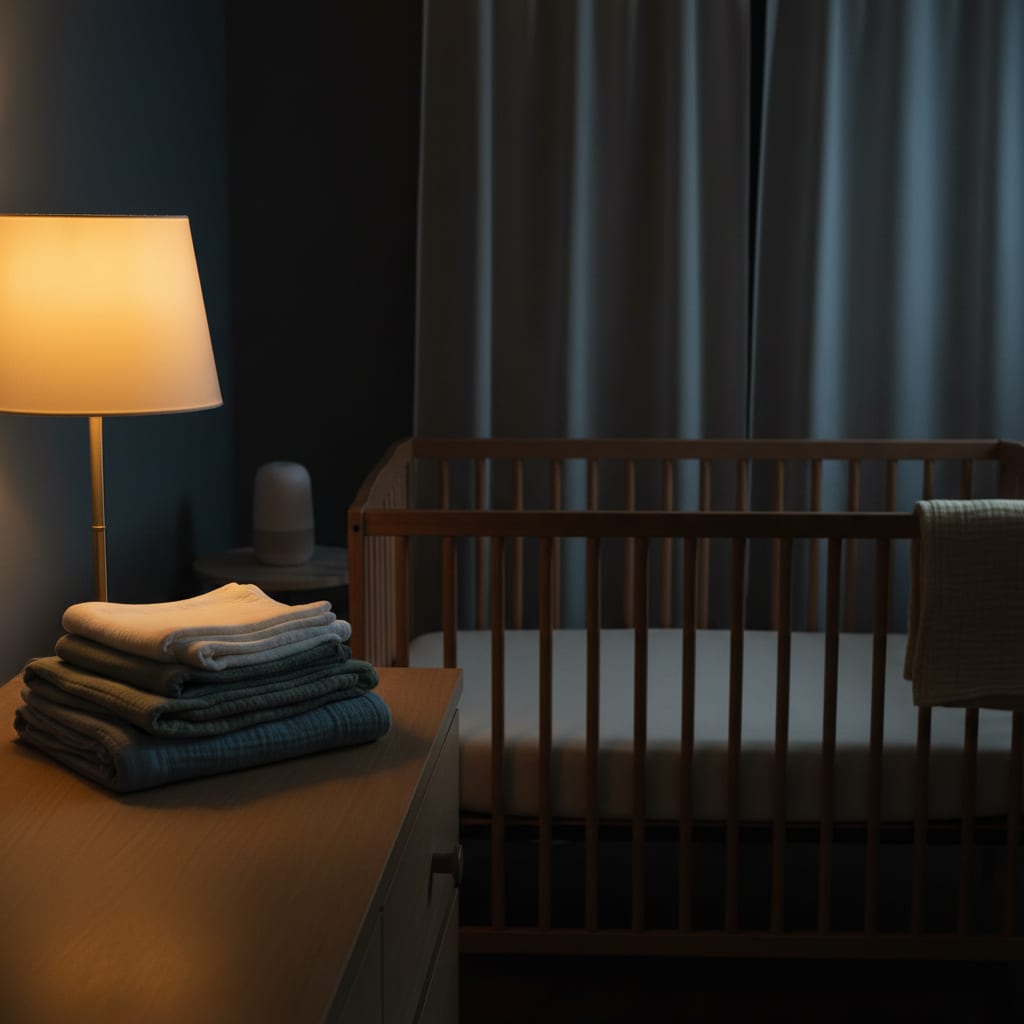
Not in the first year. Safe-sleep guidance from the American Academy of Pediatrics is that soft objects and loose bedding — blankets, quilts, comforters, pillows, sheepskins, stuffed animals — stay out of a baby’s sleep space for at least the first 12 months. After the first birthday the risk profile changes considerably and most pediatricians are comfortable with a small, light blanket, though plenty of families wait until closer to 18 months or until the child moves to a bed. Until then, a wearable sleep sack does the job a blanket was supposed to do.
I’m a working sleep consultant, and this is the question I get asked most often in a slightly guilty voice, usually by someone whose own mother has already given them a different answer.
The answer, and where it comes from
The 12-month line isn’t a manufacturer’s caution or an American quirk. It comes from the safe-sleep recommendations built around sudden unexpected infant death, and the reasoning is that the sleep surface should be firm, flat and empty: a fitted sheet on a firm mattress in a crib, bassinet or play yard that meets current safety standards, and nothing else in there with the baby.
The AAP’s parent-facing safe sleep guidance is the source I hand clients, and it’s worth reading once in full rather than in fragments from a group chat. Betteroo has a plain-language read on blankets and the first year if you want the same answer in fewer words.
Risk falls sharply across the first year — it’s concentrated in the early months — which is why the line sits where it does rather than at two years or at six. It is a floor, not a ceiling: nothing bad happens if you wait longer, and many families do.
Why loose bedding is the actual risk
Three mechanisms, and they’re worth understanding because understanding them makes the rule stick better than being told it does.
A blanket can cover the face. A young baby has limited head control and no reliable way to push fabric off, so a blanket that has ridden up is not a problem they can solve. A blanket also changes the surface: bunched under a baby it creates a soft, uneven area, and firm and flat is the whole point of the surface recommendation. And blankets add warmth that you cannot see or adjust once you’ve left the room, which matters because overheating is one of the things safe-sleep guidance specifically warns about.
Weighted blankets and weighted sleep sacks are a separate and firmer no. The AAP advises against weighted sleep products for infants, and I won’t link one regardless of what the marketing claims. Crib bumpers — padded, mesh or “breathable” — belong in the same bin, and in the US they can no longer legally be sold.
What to use instead of a blanket
A wearable blanket, also called a sleep sack, exists precisely to solve this: the warmth stays on the baby and nothing is loose in the crib. Buy two weights rather than a drawer of blankets — something light for warm months and something like a micro-fleece HALO sack for cool ones — and match the weight to the room rather than the season. The full TOG-to-temperature mapping, and what goes on underneath, is in room temp and dressing.
Two related rules I don’t bend. Swaddles come off at the first signs of rolling, swapped for a sleeveless sack in the same weight; the reasoning is in stomach sleeping and rolling. And no hats indoors — heat leaves through the head, and a hat at sleep is a known overheating route.
After the first birthday, done sensibly
Once you’re past 12 months and your pediatrician is comfortable, a blanket is reasonable. Keep it small, light and breathable — a cellular cotton blanket rather than a duvet or a heavy quilt — and keep the crib otherwise clear. Toddlers who kick it off all night, which is most of them, are usually better served by staying in a sack a while longer; sacks are sold in toddler sizes with foot openings for exactly this reason.
Pillows are a later step again. There’s no urgency, and most guidance points toward waiting until a child has moved out of a crib and into a bed.
The exceptions people ask about
“He hates the sack.” Almost always a temperature problem or a bedtime problem wearing a costume. Check the room reading at crib height first, then check what time you’re actually starting bedtime.
“She only naps in the car seat with a blanket over her.” Car seats are for travelling. Sleep that happens in one on a journey is unavoidable; sleep deliberately arranged in one at home is not recommended, and a cover over it adds both the covering risk and the heat.
“The hospital sent us home with a swaddle.” Swaddling for a young, not-yet-rolling baby is a different thing from a loose blanket — it’s snug, it’s around the body, and it comes off at rolling. That isn’t a licence for a spare blanket in the crib.
“Grandma says we all slept with blankets.” True, and the guidance changed for reasons that were measured. This is a case where the newer advice is better evidenced, and it’s easier to hand over the AAP page than to win the argument yourself.
Daycare, grandparents and other people’s cribs
Every place your baby sleeps needs the same setup, and the ones you don’t control are where the rule quietly slips. Licensed childcare in the US generally has to follow safe-sleep practice, and it’s fair to ask how they do it. For relatives, the practical move is to send the sack with the baby rather than explaining the theory — an object beats a lecture.
Travel is the other gap: hotel cribs arrive made up with blankets, and the fastest fix is to strip it to the fitted sheet and put your own sack on. The rest of the setup that travels with you is in the nursery checklist.
What I’d tell a client
Buy two sleep sacks, strip the crib to a fitted sheet, and stop thinking about it until the first birthday — this is one of the few questions in baby sleep with a clean answer, so take the clean answer and spend your decision-making on the hard ones. After twelve months, ask your pediatrician at the well visit rather than asking the internet, and if you’re unsure, keep using the sack. Nobody has ever regretted an extra few months of not having to think about it.
FAQ: babies and blankets
Can a 6-month-old sleep with a blanket?
No. The guidance covers the whole first year, and six months sits inside the period where the recommendation is firmest. Use a sleep sack in a weight that matches the room instead.
When can a baby sleep with a stuffed animal?
The same 12-month line applies to soft toys, and many pediatricians suggest waiting longer for anything large. A small comfort object introduced after the first birthday, in an otherwise clear crib, is the usual compromise.
Is my baby cold without a blanket?
Probably not, and cool hands or feet are not the way to check — babies run cool at the extremities normally. Feel the back of the neck or the chest. If the torso is warm, they’re fine; if you need more warmth, add TOG rather than adding a blanket.
What about a blanket at nap time when I’m in the room?
The recommendation doesn’t split by nap versus night or by whether you’re watching. Supervision helps with plenty of things, but a covered face is fast and quiet. Keep the setup identical for every sleep.